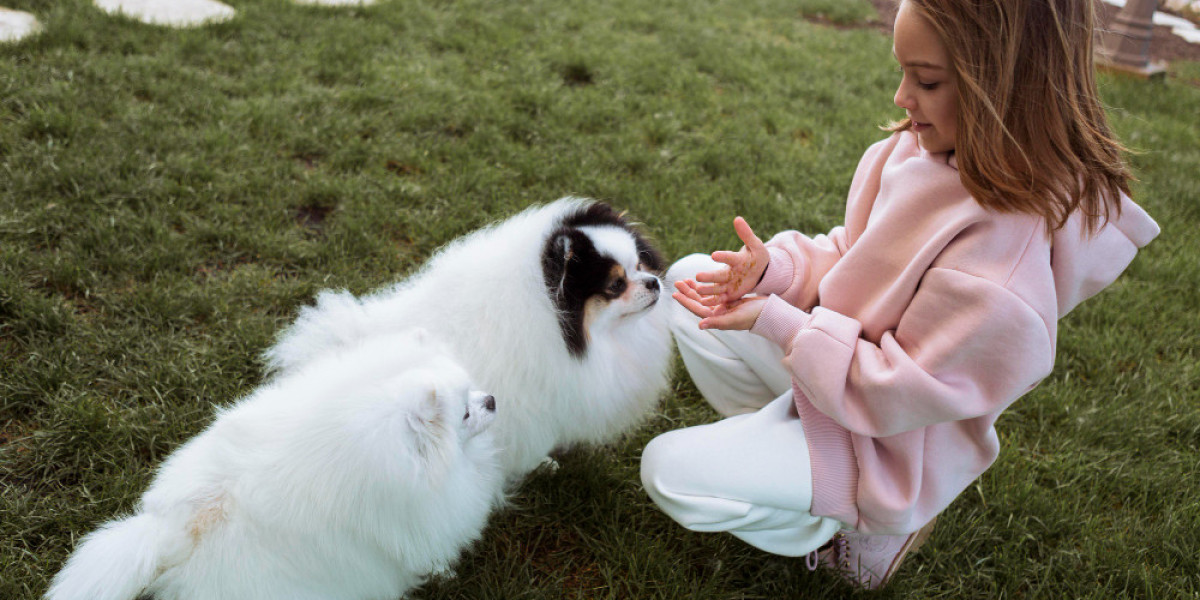

For pet owners, maintaining a beautiful lawn can be challenging. Dogs dig holes, create worn patches, and track mud into the house. Natural grass can quickly become discolored from pet urine, develop bald spots from constant running, or turn into a muddy mess during rainy seasons. As a result, many homeowners are turning to pet-friendly artificial grass as a practical and long-lasting solution.
Modern artificial turf is designed not only to look realistic but also to withstand the unique demands of pets. With advanced drainage systems, durable fibers, and safe materials, artificial grass creates a clean, comfortable, and low-maintenance environment for both pets and their owners. In this article, we explore why pet-friendly artificial grass is an excellent investment and how to choose the best option for your lawn.
Why Choose Artificial Grass for Pets?
1. Eliminates Mud and Mess
One of the biggest advantages of artificial grass for lawns is the elimination of mud. During rainy seasons, natural lawns can become waterlogged, leading to muddy paws and dirty floors. Artificial turf features efficient drainage systems that allow water to flow through quickly, preventing puddles and mud buildup.
This means fewer muddy paw prints inside your home and a consistently clean outdoor space.
2. Resistant to Wear and Tear
Pets, especially dogs, love to run, jump, and play. Natural grass often struggles to recover from this constant activity, leading to patchy, worn areas. Pet-friendly artificial grass is designed to handle heavy foot traffic without flattening or thinning.
High-quality turf uses strong synthetic fibers that bounce back after compression, ensuring your lawn maintains its appearance even after energetic play sessions.
3. No Brown Spots from Urine
Dog urine can cause yellow or brown spots on natural grass due to high nitrogen levels. Artificial grass eliminates this issue entirely. Because it does not absorb nutrients like natural grass, it won’t discolor from pet waste.
With proper cleaning and drainage, your lawn remains uniformly green all year long.
4. Safe and Non-Toxic Materials
Modern artificial grass is manufactured using non-toxic, pet-safe materials. High-quality products are free from harmful chemicals, heavy metals, and lead. Many also include antimicrobial technology to reduce bacteria growth and odors.
This ensures a safe play environment for pets of all sizes.
Key Features of Pet-Friendly Artificial Grass
Not all artificial turf is equally suitable for pets. When selecting grass for a pet-friendly lawn, look for the following essential features:
Superior Drainage System
Efficient drainage is crucial for pet areas. Look for turf with:
Perforated backing for fast liquid drainage
High drainage capacity per square meter
Multi-layered backing for durability
Good drainage prevents odors and bacteria buildup, keeping the lawn fresh and hygienic.
Durable Fiber Construction
Polyethylene fibers are often the best choice for pet-friendly lawns. They offer:
Soft texture for comfort
Strong resilience for durability
Resistance to flattening
For high-energy dogs, consider turf with reinforced backing and higher density.
Antimicrobial Protection
Some artificial grass products include antimicrobial infill or treatments that help reduce bacteria growth from pet waste. While regular cleaning is still necessary, this added feature enhances hygiene.
Comfortable Pile Height
A medium pile height (around 25–35 mm) works well for pets. Shorter grass may feel too firm, while very tall grass may flatten quickly under heavy use.
Installation Tips for Pet Owners
Proper installation plays a major role in how well artificial grass performs for pets.
Prepare a Solid Base
A stable and well-compacted base of crushed stone ensures:
Proper drainage
Even surface
Long-term durability
Avoid using soil-only bases, as they can shift or retain moisture.
Install a Weed Barrier
A weed membrane prevents unwanted plant growth from emerging through the turf, reducing maintenance.
Choose Pet-Specific Infill
Infill materials help keep blades upright and improve stability. For pet lawns, consider:
Silica sand (commonly used and affordable)
Antimicrobial infill options
Deodorizing infill designed for pet areas
These options help manage odors and maintain freshness.
Secure Seams and Edges Properly
Pets may dig or scratch near edges. Ensure seams are tightly joined and edges are securely fastened to prevent lifting.
Maintenance for Clean and Odor-Free Lawns
Although artificial grass requires less maintenance than natural grass, pet areas benefit from regular care.
Daily or Weekly Cleaning
Remove solid waste promptly
Rinse urine spots with water
Brush fibers occasionally to maintain upright position
Deep Cleaning Routine
Once or twice a month:
Use mild soap and water to clean heavily used areas
Apply a turf-safe deodorizer if needed
Check drainage for blockages
These simple steps keep the lawn hygienic and extend its lifespan.
Benefits for Multi-Pet Households
Homes with multiple pets often struggle with lawn damage. Artificial grass offers a durable solution that withstands repeated use. It prevents:
Holes from digging
Mud patches from frequent urination
Worn-out paths from repeated running
Additionally, artificial turf is ideal for small yards where natural grass may struggle to regenerate.
Environmental Considerations
Pet-friendly artificial grass contributes to environmental conservation in several ways:
Reduces water consumption
Eliminates need for fertilizers and pesticides
Minimizes lawn equipment emissions
By reducing reliance on chemicals and irrigation, artificial grass supports a more sustainable outdoor environment.
Cost Considerations
While artificial grass requires an initial investment, it saves money in the long term. Pet owners often spend on:
Lawn repair and reseeding
Water bills
Fertilizers and pest control
Mud cleanup and interior cleaning
Artificial turf significantly reduces these recurring costs. With proper care, high-quality turf can last 15–20 years.
Ideal Applications for Pet-Friendly Turf
Artificial grass is versatile and suitable for various spaces:
Backyard play areas
Dog runs
Side yards
Balcony or terrace pet zones
Kennels and boarding facilities
Its adaptability makes it ideal for both small urban homes and large suburban properties.
Common Concerns Addressed
Does Artificial Grass Get Too Hot?
Like many outdoor surfaces, artificial turf can warm up in direct sunlight. However:
Choosing lighter-colored fibers helps reduce heat absorption
Installing in partially shaded areas helps
Rinsing with water cools the surface quickly
Will My Dog Try to Dig It Up?
Properly installed turf with secure edges and strong backing discourages digging. Some pets may attempt digging initially, but most adapt quickly.
Final Thoughts
Pet-friendly artificial grass provides a safe, clean, and durable solution for homeowners who want a beautiful lawn without constant maintenance challenges. With features like advanced drainage, resilient fibers, and antimicrobial protection, modern artificial turf is designed to meet the needs of both pets and their families.
By choosing high-quality materials, ensuring professional or careful installation, and maintaining simple cleaning routines, you can enjoy a lush green lawn that stays mud-free, odor-free, and attractive year-round.
For pet owners seeking a practical and long-lasting lawn solution, artificial grass offers peace of mind and a comfortable outdoor space where pets can run, play, and relax safely — without sacrificing the beauty of your home’s landscape.
You May Also Like
10+ Best Artificial Grass for Dogs: A Buyer’s Guide [2026]
10+ Best Artificial Grass Landscaping: A Buyer’s Guide In 2026
10+ Best Artificial Grass for Golf Courses: A Buyer’s Guide
10+ Best Pet-Friendly Artificial Grass Options: A Buyer’s Guide