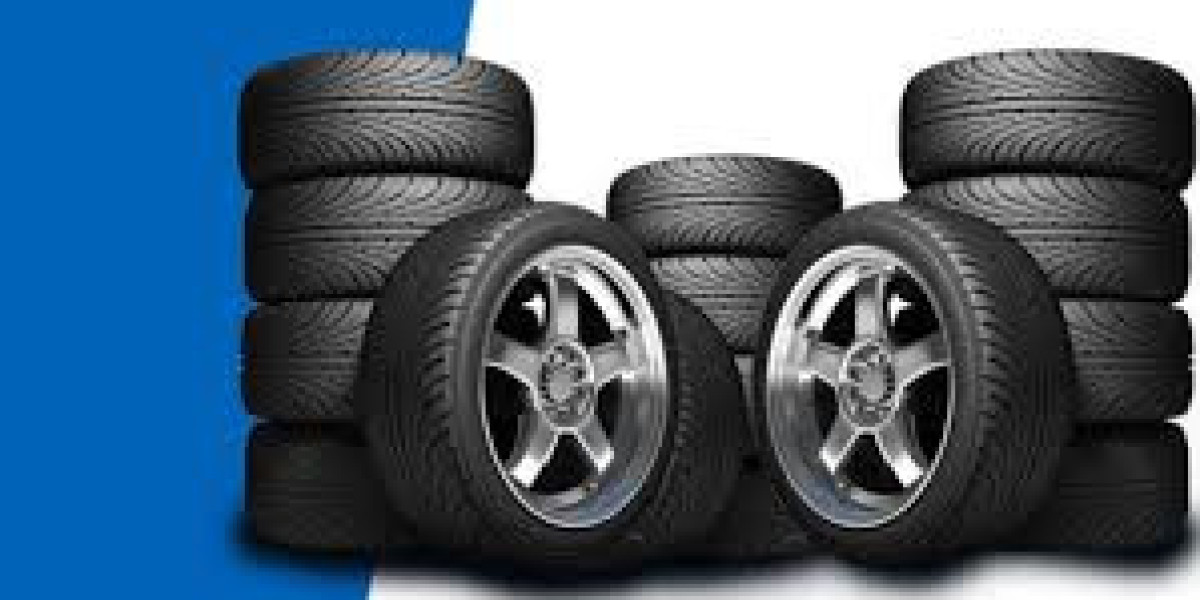

Tire Pressure Monitoring Sensors (TPMS) are an essential component of modern vehicles, helping drivers maintain proper tire pressure and ensuring a smoother, safer ride. These sensors monitor the air pressure inside your tires and alert you when the pressure drops below optimal levels. Proper tire pressure is crucial not only for safety but also for fuel efficiency, tire longevity, and overall vehicle performance.
In this article, we will explore what Tire Pressure Monitoring Sensors are, how they work, their benefits, and why installing or maintaining them is a smart decision for every vehicle owner. Whether you're buying custom wheels or looking for wheel accessories at an online wheel store, TPMS is an essential feature to consider for your vehicle’s wheels.
What Are Tire Pressure Monitoring Sensors (TPMS)?
Understanding TPMS: The Basics
Tire Pressure Monitoring Sensors (TPMS) are small devices that are installed in your vehicle’s tires to continuously monitor their air pressure. These sensors send data to your vehicle's onboard computer, which alerts the driver if tire pressure falls below a safe level, typically 25% under the recommended pressure. Proper tire pressure is critical for vehicle handling, fuel efficiency, and preventing tire blowouts.
There are two main types of TPMS:
Direct TPMS: This system uses sensors placed inside the tire to measure the actual tire pressure and relay that information to the vehicle's dashboard.
Indirect TPMS: This system uses the vehicle's ABS (anti-lock braking system) to detect changes in tire pressure by monitoring the rotational speed of each tire.
Regardless of the type, Tire Pressure Monitoring Sensors are designed to improve safety by ensuring that your tires are always properly inflated, helping to avoid accidents caused by underinflated tires.
Benefits of Tire Pressure Monitoring Sensors
Enhanced Vehicle Safety
One of the most significant benefits of Tire Pressure Monitoring Sensors is the increased safety they offer. Tires that are underinflated can cause several issues, including reduced braking ability, poor handling, and increased risk of a tire blowout. By receiving timely alerts from the TPMS, drivers can take action to correct tire pressure issues before they lead to more serious problems. Properly inflated tires are less likely to overheat, thus reducing the chances of accidents.
Improved Fuel Efficiency
Underinflated tires have higher rolling resistance, meaning your engine has to work harder to maintain speed, which leads to higher fuel consumption. Tire Pressure Monitoring Sensors help ensure that your tires are always at the correct pressure, improving your vehicle's fuel efficiency. Maintaining proper tire pressure can lead to significant savings on fuel costs over time.
Prolonged Tire Life
Proper tire pressure is essential for extending the lifespan of your tires. Tire Pressure Monitoring Sensors help drivers avoid the risk of driving with low pressure, which can cause uneven wear and shorten the life of your tires. By regularly monitoring tire pressure, you can reduce the need for premature tire replacements and save money in the long run.
How Do Tire Pressure Monitoring Sensors Work?
Installation Process
Installing Tire Pressure Monitoring Sensors typically requires professional assistance, especially if you're upgrading your wheels or installing custom wheels. Many wheel installation kits come with built-in TPMS sensors, or you can purchase separate TPMS components for retrofitting. When buying wheels, make sure they are TPMS compatible, as some wheels for sale may not be pre-equipped with sensors.
Sensor Functionality
The sensors monitor the air pressure in each tire and send real-time data to the vehicle's onboard system. In the case of direct TPMS, the sensors measure tire pressure directly, while in the case of indirect TPMS, the system uses the vehicle’s ABS to detect changes in pressure by observing the rotational speed of the tires.
When the pressure falls below the optimal level, the system triggers a warning light or alert on your dashboard, allowing you to take action before any damage occurs.
Where to Buy Tire Pressure Monitoring Sensors
Online Wheel Store
An online wheel store is a convenient place to find Tire Pressure Monitoring Sensors along with other wheel accessories. Many online retailers offer TPMS that are compatible with a wide range of vehicles and custom wheels. By shopping online, you can easily compare prices, read reviews, and choose from a variety of options.
Wheel Shop Near Me
If you prefer shopping in person or need help installing TPMS, visiting a wheel shop near me is a great option. Local shops can assist you in choosing the right Tire Pressure Monitoring Sensors for your vehicle and even help you install them, ensuring your wheels and tires are in optimal condition.
Affordable Wheel Store
For budget-conscious consumers, an affordable wheel store can provide Tire Pressure Monitoring Sensors at competitive prices. These stores often offer bundles or discounts, making it easier to get the accessories you need without overspending.
How to Maintain Tire Pressure Monitoring Sensors
Regular Inspections
To ensure your Tire Pressure Monitoring Sensors continue to function properly, regular inspections are necessary. Over time, the sensors may wear out, especially in harsh weather conditions. It’s essential to replace faulty sensors as soon as possible to avoid inaccurate readings.
Check Tire Pressure Periodically
While TPMS will alert you if there’s an issue, it's always a good idea to periodically check your tire pressure manually. This can help you catch potential problems before the sensors alert you. A wheels offset calculator can also help you determine the proper tire size and pressure for your vehicle.
Replace Sensors When Needed
Just like your tires, TPMS sensors have a lifespan. Typically, these sensors last around 5-10 years, depending on usage and environmental conditions. Be sure to replace them when necessary to ensure continuous monitoring of your tire pressure.
Conclusion: Ensure Safety and Performance with Tire Pressure Monitoring Sensors
Tire Pressure Monitoring Sensors are a must-have for every vehicle owner, providing critical benefits such as enhanced safety, improved fuel efficiency, and prolonged tire life. Whether you're buying custom wheels, upgrading your tires, or installing a wheel installation kit, TPMS is an essential accessory to keep your vehicle performing at its best.
With the right Tire Pressure Monitoring Sensors, you can rest easy knowing that your tires are always properly inflated, ensuring a safer and more efficient driving experience.
Call to Action: Ready to upgrade your vehicle with Tire Pressure Monitoring Sensors? Visit our online wheel store today to explore a wide selection of TPMS and other wheel accessories to keep your car running smoothly and safely.
FAQ Section
What are Tire Pressure Monitoring Sensors?
Tire Pressure Monitoring Sensors (TPMS) are devices that monitor the air pressure inside your tires and alert you when the pressure is too low, ensuring safety and efficiency.
Do I need Tire Pressure Monitoring Sensors for custom wheels?
Yes, if you are installing custom wheels, it’s important to choose wheels that are compatible with Tire Pressure Monitoring Sensors. Many wheel installation kits come with TPMS sensors included.
How do Tire Pressure Monitoring Sensors work?
TPMS sensors monitor tire pressure and send data to your vehicle’s dashboard. If the pressure drops below optimal levels, the system triggers a warning light.
How often do I need to replace Tire Pressure Monitoring Sensors?
TPMS sensors typically last 5-10 years, but they should be replaced if they become faulty or if your vehicle’s tire pressure warning light stays on, indicating a sensor issue.
Where can I buy Tire Pressure Monitoring Sensors?
You can find Tire Pressure Monitoring Sensors at an online wheel store, a wheel shop near me, or an affordable wheel store. Many retailers also offer installation services.