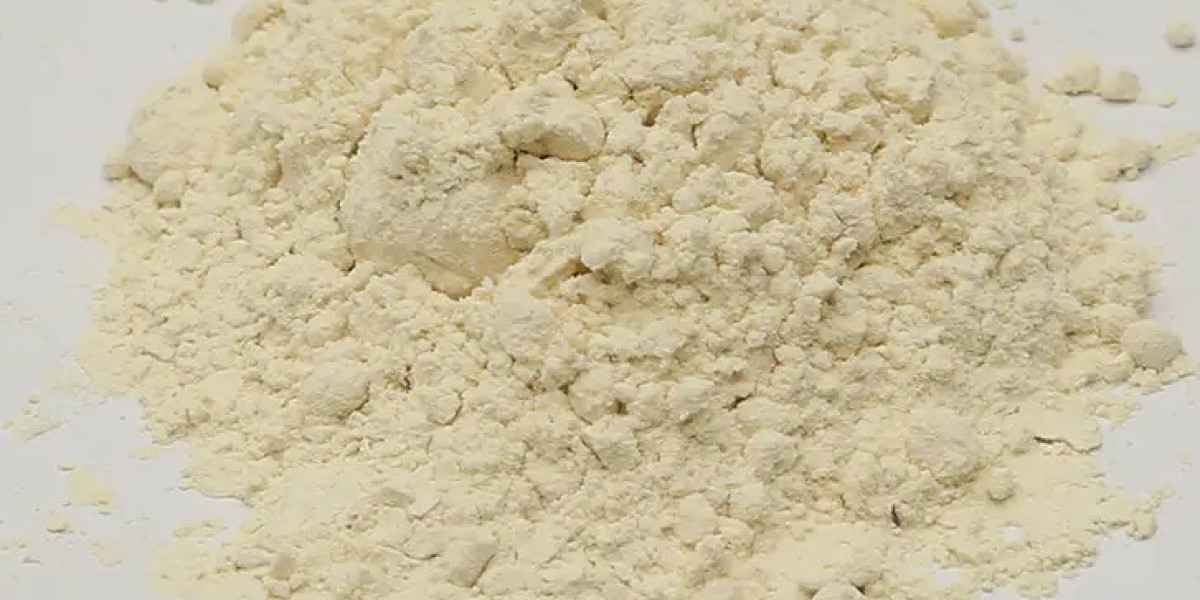

Introduction to Rubber Retarders
Rubber Retarders are chemical additives commonly used in rubber compounding to control the curing rate during the vulcanization process. By slowing down the reaction, these retarders help improve processing safety and manage production timing. Beyond influencing curing speed, they also play a significant role in determining the heat resistance and aging properties of rubber products. Understanding their impact is essential for manufacturers who require long-lasting and high-performance rubber components.
Influence on Heat Resistance
Rubber retarders can affect the thermal stability of vulcanized rubber. By controlling the crosslinking rate during vulcanization, these additives can help achieve a more uniform network structure, which enhances the rubber’s ability to withstand elevated temperatures. In high-temperature applications, such as automotive parts or industrial seals, proper use of retarders ensures that the rubber maintains elasticity and strength over time. However, excessive retarder dosage may weaken the crosslink density, potentially reducing heat resistance if not properly formulated.
Impact on Aging Performance
Aging in rubber refers to the gradual degradation caused by exposure to oxygen, ozone, UV light, or heat. Rubber retarders can indirectly influence aging by affecting the overall crosslink structure and chemical stability of the vulcanized rubber. A well-controlled curing process using retarders tends to produce more uniform crosslinks, which reduces the likelihood of cracks, brittleness, and surface degradation during long-term use. This makes the rubber more resistant to thermal and oxidative aging, extending the service life of products such as hoses, gaskets, and footwear soles.
Balancing Retarder Usage
While rubber retarders offer clear benefits, their dosage must be carefully balanced to avoid compromising performance. Too little retarder may not provide the desired control over curing, leading to uneven crosslinking and accelerated aging. Conversely, excessive use can over-slow the vulcanization, reduce crosslink density, and negatively impact heat resistance and mechanical properties. Manufacturers typically determine optimal levels through testing small batches, ensuring that the rubber achieves both processing efficiency and long-term durability.
Practical Considerations for Manufacturers
To maximize the benefits of rubber retarders, manufacturers must consider the type of rubber, the curing system, and the end-use requirements. Combining retarders with other additives, such as antioxidants and stabilizers, can further enhance aging and heat resistance. Regular monitoring of product performance under real-world conditions helps ensure that the rubber maintains its intended properties throughout its lifecycle.
Rubber Retarders play a critical role not only in controlling curing rates but also in influencing the heat resistance and aging performance of rubber products. When used correctly, they contribute to uniform crosslinking, improved thermal stability, and enhanced durability, making rubber components more reliable and longer-lasting. Proper selection, dosage, and formulation are key to achieving optimal results in both industrial and consumer applications.
Use: Scorch retarder for synthetic rubber and natural rubber. It can be used in combination with all sulfenamide or thiazole accelerators to control the safety of operation and prevent early vulcanization without affecting the
vulcanization characteristics and performance of the vulcanizate. This product can significantly improve the storage stability of unvulcanized rubber and greatly reduce the amount of waste rubber. The dosage is 0.1-0.3 parts. This product does not pollute.
Package: Polypropylene woven bag lined with plastic film bag, net weight 25 kg.