
Artificial grass has become a popular landscaping solution for homeowners and businesses in San Jose due to its low maintenance, water-saving benefits, and year-round visual appeal. One of the most common questions property owners ask before making the switch is how long artificial grass actually lasts, especially under San Jose’s unique weather conditions. Understanding the lifespan of artificial turf and the factors that influence its durability can help you make a confident and informed investment.
Average Lifespan of Artificial Grass
High-quality artificial grass in San Jose typically lasts between 15 and 25 years. This lifespan can vary depending on the quality of the turf, installation methods, usage levels, and environmental conditions. In San Jose, where extreme weather is relatively uncommon, artificial grass often performs well and can reach the higher end of this lifespan range when properly installed and maintained.
Unlike natural grass, artificial turf does not rely on soil nutrients, water, or seasonal growth cycles. This makes it more resistant to common issues such as drought stress, pest damage, and uneven growth.
San Jose Climate and Its Impact on Artificial Grass
San Jose has a Mediterranean climate characterized by warm, dry summers and mild, wet winters. These conditions are generally favorable for artificial grass compared to regions with heavy snowfall or frequent freezing temperatures.
The main environmental factors affecting artificial turf in San Jose include sun exposure, heat, rainfall, and foot traffic. Modern artificial grass is designed to withstand these conditions, but understanding how each factor influences longevity is important.
UV Exposure and Sunlight Resistance
One of the primary concerns in sunny climates like San Jose is prolonged UV exposure. Continuous sunlight can cause materials to fade or degrade over time. However, high-quality artificial grass is manufactured with UV-resistant fibers that help maintain color and structural integrity.
UV stabilization technology prevents the turf from becoming brittle or discolored, even after years of sun exposure. Cheaper or lower-quality products may fade more quickly, so selecting a reputable turf product is essential for maximizing lifespan in San Jose’s sunny environment.
Heat Tolerance and Temperature Fluctuations
Artificial grass can absorb and retain heat, especially during hot summer days. While this does not typically shorten its lifespan, extreme heat can affect lower-quality materials over time.
Premium artificial grass products are engineered to withstand temperature fluctuations without cracking or melting. In San Jose, where temperatures are warm but rarely extreme, artificial turf generally holds up well. Proper installation with adequate infill and ventilation also helps manage heat and maintain structural stability.
Rainfall and Drainage Performance
San Jose experiences most of its rainfall during the winter months. Proper drainage is crucial to ensure artificial grass remains functional and long-lasting during rainy periods.
Professionally installed artificial turf systems include a compacted base and permeable backing that allow water to drain efficiently. This prevents water pooling, mold growth, and base erosion. When drainage is properly addressed, seasonal rain has minimal impact on the lifespan of artificial grass.
Foot Traffic and Usage Levels
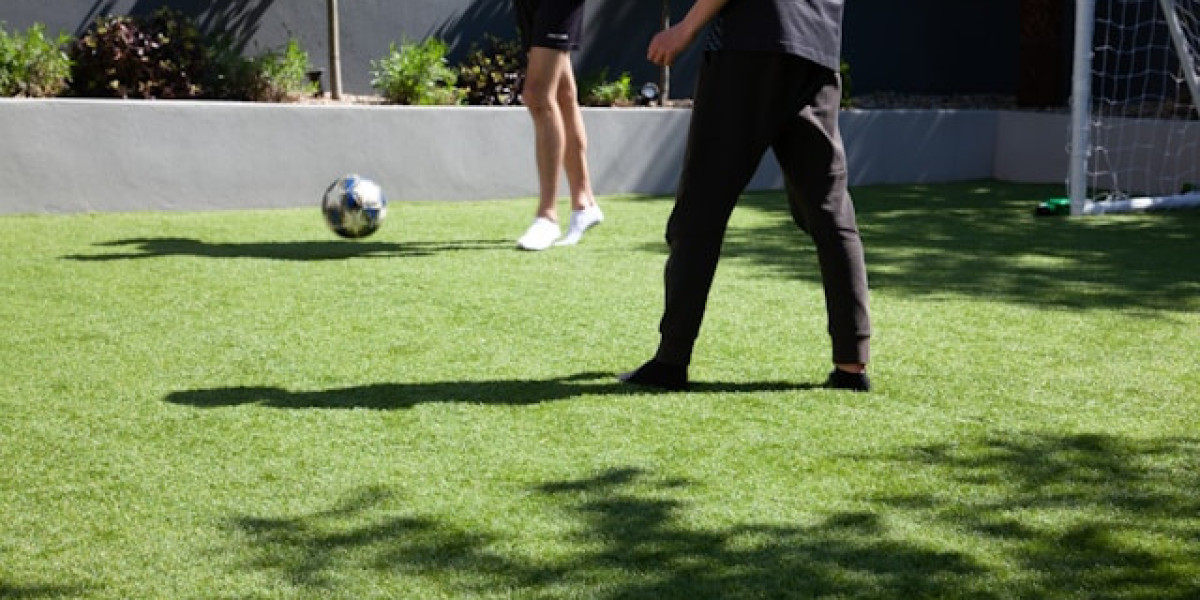
How artificial grass is used plays a significant role in how long it lasts. Lawns that experience light to moderate foot traffic, such as front yards or decorative areas, tend to last longer than high-traffic zones like play areas or commercial spaces.
For San Jose homes with children or pets, selecting turf designed for durability is important. Dense fiber construction and reinforced backing help artificial grass maintain its shape and resilience even with frequent use.
Importance of Quality Materials
Not all artificial grass products are created equal. The quality of the fibers, backing, and infill materials directly affects longevity. Higher-quality turf uses durable polyethylene or polypropylene fibers that resist wear and UV damage.
Backing materials are equally important. Multi-layer backing systems provide better stability and reduce the risk of separation or tearing. Investing in premium materials upfront often results in a longer-lasting and better-performing lawn.
Role of Proper Installation
Installation quality is one of the most critical factors in determining how long artificial grass lasts. A poorly prepared base can lead to uneven surfaces, drainage issues, and premature wear.
In San Jose, professional installers typically prepare a compacted aggregate base, install proper edging, and ensure adequate drainage. These steps prevent shifting, sagging, and water-related problems. Proper installation can significantly extend the lifespan of artificial grass, allowing it to perform well for decades.
Maintenance and Its Impact on Longevity
While artificial grass is low maintenance, some care is still required to maximize its lifespan. Regularly removing debris, brushing fibers upright, and rinsing the surface can prevent buildup that may cause wear over time.
For pet owners, occasional deep cleaning helps maintain hygiene and prevents odors. Simple maintenance practices can add years to the life of artificial turf, especially in active households.
Signs Artificial Grass May Need Replacement
Even the highest-quality artificial grass will eventually show signs of aging. Common indicators include noticeable fading, flattened fibers that no longer bounce back, thinning areas, or backing damage.
In San Jose’s relatively mild climate, these signs typically appear after many years of use. When artificial grass reaches the end of its lifespan, sections can sometimes be replaced without removing the entire lawn, depending on the extent of wear.
Comparing Artificial Grass Longevity to Natural Lawns
Natural lawns require continuous care and periodic replacement due to drought damage, pests, and seasonal wear. In contrast, artificial grass offers a consistent surface that does not deteriorate due to lack of water or nutrients.
For San Jose homeowners, artificial turf often outperforms natural grass in terms of durability and consistency, especially during dry seasons. While the upfront cost is higher, the long-term durability makes artificial grass a practical investment.
Conclusion
Artificial grass is well-suited to San Jose’s weather conditions and can last 15 to 25 years or more when high-quality materials and professional installation are used. Factors such as UV exposure, heat, drainage, foot traffic, and maintenance all play a role in determining lifespan.
With its ability to withstand San Jose’s sunny climate, reduce water use, and maintain a consistent appearance, artificial grass offers long-term value for both residential and commercial properties. For those seeking a durable, low-maintenance landscaping solution, artificial turf is a reliable option that stands the test of time.