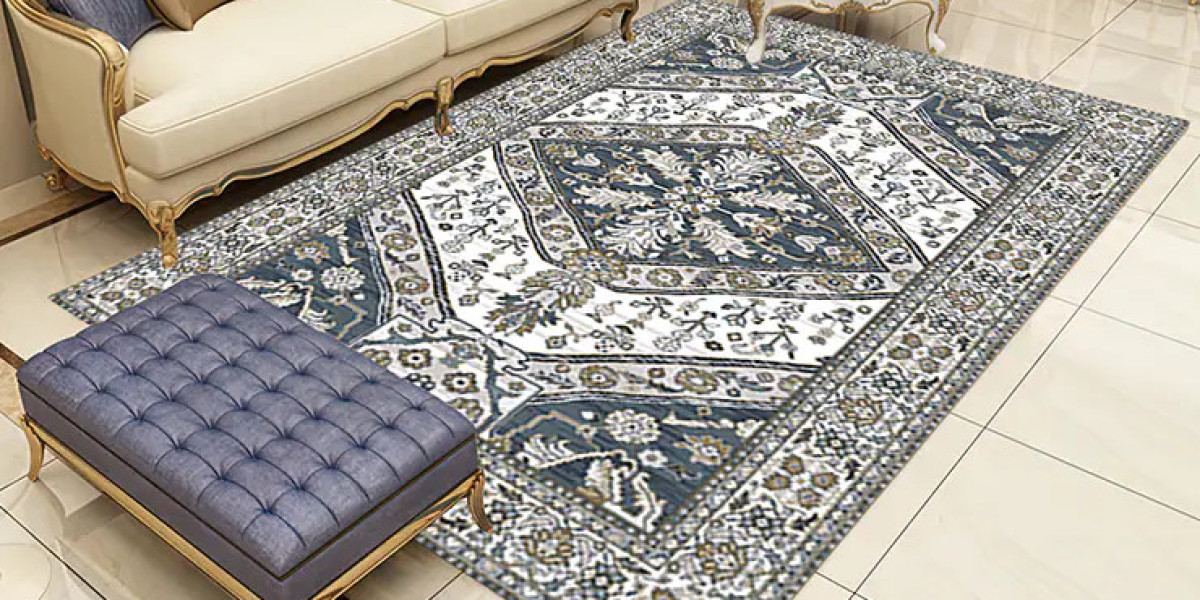

Oriental Rugs have a way of influencing a room before anyone notices why. A space may feel warmer, calmer, or more grounded simply because one lies beneath the furniture. These rugs do not rely on bold statements. Instead, they work through texture, color, and quiet complexity, shaping atmosphere through subtle presence.
Color plays an important role in how Oriental Rugs interact with their surroundings. Earthy tones create balance in bright rooms, while deep reds or blues add richness to neutral spaces. Unlike flat, uniform carpets, Oriental Rugs display variation within each shade. This layered coloring keeps the surface visually active without overwhelming the eye.
Scale and placement further affect how Oriental Rugs perform in a room. A larger rug can unify furniture, creating a shared visual anchor. Smaller pieces define intimate zones, such as reading corners or entryways. Some interiors mix multiple Oriental Rugs, allowing different patterns to coexist and create visual rhythm rather than uniformity.
People often associate Oriental Rugs with formal rooms, yet they work equally well in relaxed settings. In family areas, they soften sound and add comfort underfoot. In creative studios, they introduce warmth and texture that counterbalance functional furniture. Their adaptability explains why Oriental Rugs continue appearing in evolving design trends.
Another reason Oriental Rugs remain relevant lies in their tactile quality. Walking across a hand-crafted surface feels different from stepping on synthetic flooring. The slight variation in knot height and fiber density adds sensory depth. This physical experience connects occupants to the space in a quiet, grounding way.
Over time, Oriental Rugs become part of daily routines. They witness conversations, footsteps, and rearranged furniture. Instead of fading into the background, they collect character. Minor imperfections become reminders of shared moments rather than flaws. This relationship between object and owner grows naturally, without effort.
Oriental Rugs succeed not because they demand attention, but because they reward it. A closer look reveals details that might go unnoticed at first glance. Their continued presence across homes and styles reflects a balance between tradition and flexibility. In changing interiors, Oriental Rugs remain steady, offering warmth, texture, and a sense of continuity.