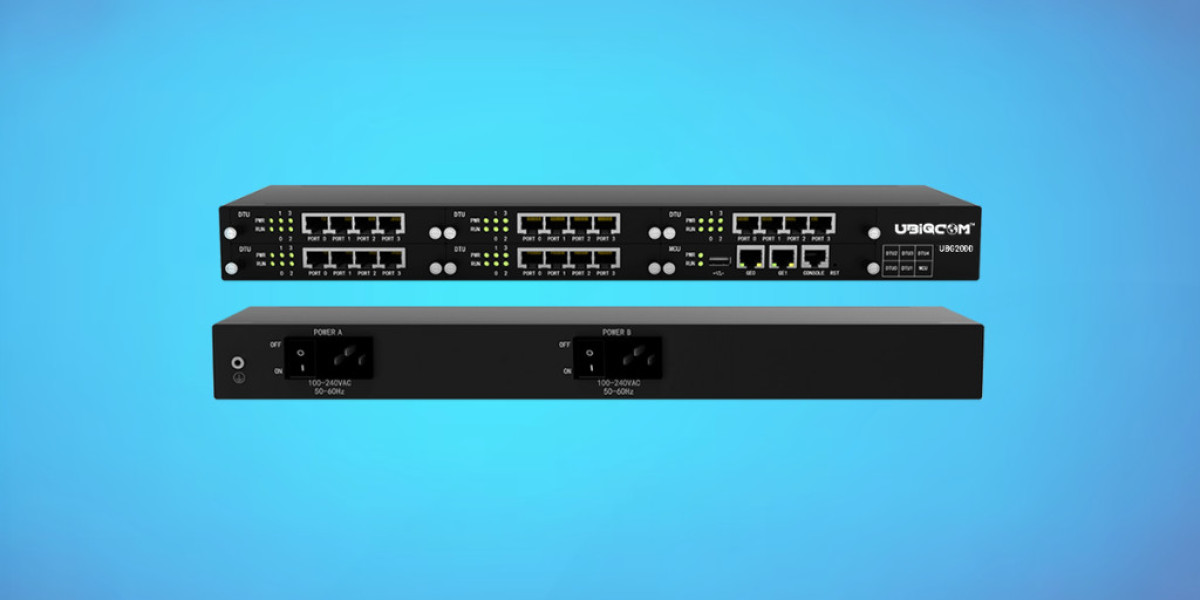

As businesses move toward IP-based communication, many still rely on legacy PBX systems and PRI lines for their daily operations. A SIP PRI Gateway plays a crucial role in connecting these two worlds, allowing organizations to modernize their communication infrastructure without replacing existing telephony investments. This solution ensures continuity, flexibility, and cost efficiency while enabling a smooth transition to VoIP technologies.
What Is a SIP PRI Gateway?
A SIP PRI Gateway is a networking device that enables interoperability between SIP-based VoIP networks and traditional PRI (Primary Rate Interface) systems. It converts SIP signaling and media into PRI protocols and vice versa, making it possible for legacy PBXs to communicate seamlessly with IP-based service providers or softswitches. This is especially valuable for enterprises that want to adopt SIP trunking while retaining their existing PBX hardware.
How It Works
The gateway acts as a protocol translator. On one side, it communicates with the IP network using SIP, while on the other, it connects to the PBX via PRI interfaces (E1/T1). Call setup, teardown, signaling, and voice streams are translated in real time, ensuring reliable call quality and compatibility. Advanced models also handle number mapping, codec conversion, and signaling normalization to match carrier requirements.
Key Benefits for Businesses
One of the biggest advantages of using a SIP PRI Gateway is cost optimization. By enabling SIP trunking, businesses can reduce recurring telephony expenses and avoid maintaining multiple ISDN lines. It also enhances scalability, allowing organizations to add or remove channels based on demand without major infrastructure changes. Additionally, it provides business continuity by supporting failover routes and backup connectivity options.
Deployment Scenarios
SIP PRI Gateways are commonly used in enterprises, contact centers, hospitality environments, and service provider networks. They are ideal for organizations with a large installed base of PRI PBXs that want to connect to modern SIP trunks. They are also useful in hybrid deployments where both legacy and IP systems need to coexist during phased migration projects.
Features to Look For
When selecting a gateway, it is important to consider factors such as the number of supported PRI ports, SIP interoperability, codec support, and security features. Support for encryption, redundancy, and centralized management can significantly improve reliability and ease of maintenance. Compatibility with multiple carriers and PBX brands is also a key consideration for long-term flexibility.
Conclusion
A SIP PRI Gateway serves as a practical and future-ready solution for businesses looking to modernize their voice infrastructure without disrupting existing operations. By bridging SIP and PRI technologies, it enables organizations to leverage the benefits of SIP communication while protecting prior investments. For enterprises planning a gradual transition to VoIP, this gateway is a reliable and strategic component of their communication ecosystem.