When the Bull Becomes a Burden: Navigating the Treacherous Secondary Market for Lamborghinis in America
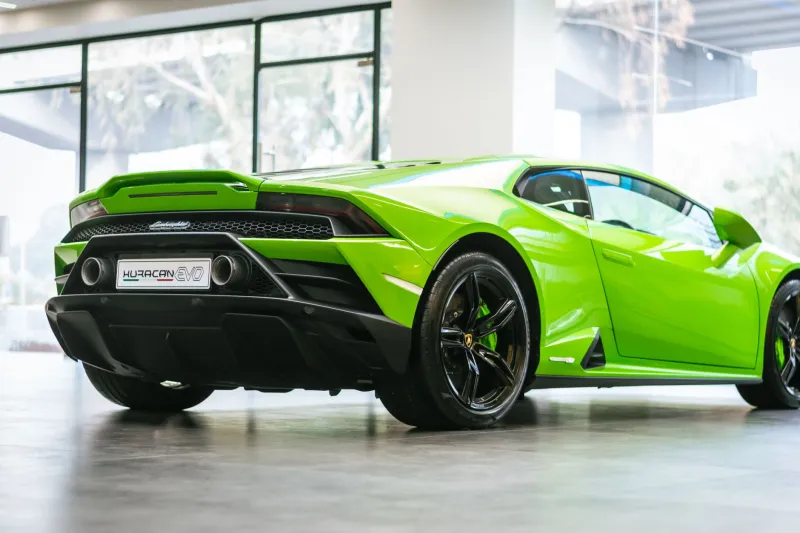
The day an owner decides to sell a Lamborghini is rarely a simple one. What began as the fulfillment of a decades-long aspiration — the culmination of ambition, discipline, and perhaps a measure of good fortune — can unravel into a protracted, humbling exercise in market reality. The secondary market for Lamborghinis in the United States is not merely a financial arena; it is a psychological one. And for sellers who enter unprepared, it can be as punishing as it is illuminating.
This is not a story about depreciation tables alone. It is a story about perception, timing, geography, and the peculiar emotional mathematics that govern the sale of a vehicle that was never meant to be ordinary.
The Illusion of Liquid Assets
Many Lamborghini owners enter the resale process with a foundational misconception: that rarity and prestige translate directly into transactional ease. They do not. Unlike a Mercedes-Benz S-Class or even a Porsche 911 — vehicles with deep, liquid secondary markets and well-understood valuations — a Lamborghini occupies a narrow stratum of the market where buyers are scarce, scrutiny is intense, and patience is mandatory.
"People assume that because a car is expensive, it sells quickly," says one California-based independent dealer who has brokered more than forty Lamborghini transactions over the past decade. "The opposite is often true. The more expensive the car, the smaller the pool of qualified buyers, and the more particular each one of them tends to be."
That particularity manifests in ways that can feel almost adversarial to a motivated seller. A prospective buyer may spend weeks reviewing documentation, commissioning independent pre-purchase inspections, and negotiating over details that would never surface in a transaction involving a more conventional vehicle. Color combinations, factory option packages, original window stickers, and even the provenance of a car's ownership history can elevate or suppress interest in ways that defy straightforward logic.
Dealer Network vs. Private Sale: A False Choice
The first strategic decision a seller faces is whether to work through the authorized Lamborghini dealer network, engage an independent exotic car dealer, or pursue a private sale directly. Each path carries distinct trade-offs that are rarely discussed with sufficient candor.
Consigning a vehicle to an authorized dealer offers legitimacy and access to a curated buyer base, but the economics are unforgiving. Commission structures vary, but sellers should anticipate losing between eight and fifteen percent of the final transaction price to the consignment arrangement. Beyond the financial cost, authorized dealers operate on their own timelines, and a vehicle that does not align with current market demand may languish on a showroom floor for months.
Private sales, by contrast, preserve the seller's margin but demand considerable investment of time, energy, and risk tolerance. Platforms such as duPont Registry, Bring a Trailer, and even curated social media communities have democratized access to motivated buyers, but they have also amplified the visibility of every flaw. A single negative comment on a public auction listing can derail a sale with a velocity that would have been impossible in the pre-digital era.
"I listed my Huracán on a well-known auction site and within six hours someone had posted a photograph of a stone chip on the lower front fascia," recalls a former owner based in Texas. "I had disclosed the chip in the listing. It didn't matter. The psychological damage to the auction was done. The final price came in twenty-two thousand dollars below what I had privately been offered two weeks earlier."
Independent exotic dealers occupy a middle ground that many sellers underestimate. The best among them maintain proprietary networks of pre-qualified buyers, understand the nuanced value drivers within specific model lines, and can execute transactions with a discretion that public platforms cannot replicate. The trade-off is price: independent dealers purchasing outright will typically offer wholesale figures that reflect their need to profit on the resale.
The Hidden Factors That Move the Needle
Beyond the mechanics of the sales channel, a constellation of less obvious variables exerts substantial influence over what a Lamborghini ultimately commands on the secondary market.
Color and specification: The Lamborghini palette is vast, and not all choices age equally in the eyes of subsequent buyers. Certain hues — particularly those associated with a specific era or a high-profile media moment — carry premiums that defy conventional depreciation logic. Conversely, colors that were fashionable at the time of order but have since fallen out of favor can suppress resale value by meaningful margins. Factory Ad Personam configurations, while commanding premiums at point of sale, do not always recoup those premiums at resale unless the subsequent buyer shares the original owner's precise aesthetic sensibilities.
Modification history: The aftermarket modification question is one of the most consequential and least predictable variables in the Lamborghini resale equation. A tasteful exhaust upgrade from a recognized manufacturer may be viewed neutrally or even favorably by certain buyers. A heavily modified example — regardless of the quality or cost of the work — will systematically eliminate a significant portion of the potential buyer pool, particularly among collectors who prioritize factory originality.
Geographic context: The American market is not monolithic. A Lamborghini in Miami occupies a different market context than the same vehicle in Denver or Minneapolis. Seasonal demand, regional car culture, and the concentration of high-net-worth individuals all influence how quickly and at what price a vehicle finds its next owner. Sellers in markets with thin local buyer bases may find that shipping costs and logistics complicate transactions with out-of-state buyers who would otherwise be motivated.
Documentation completeness: In the upper echelons of the Lamborghini market, documentation is not merely a courtesy — it is a value driver. Complete service records, original window stickers, factory build sheets, and correspondence with the selling dealer can collectively add thousands of dollars to a transaction. Their absence, conversely, introduces uncertainty that sophisticated buyers will price into their offers.
The Emotional Dimension
No honest accounting of the Lamborghini resale experience is complete without acknowledging the psychological weight that sellers carry into the transaction. These are not merely vehicles. For most of their owners, they represent something deeply personal — a milestone, an identity, a relationship measured in sound and sensation rather than spreadsheet entries.
That emotional investment, while entirely understandable, frequently distorts sellers' price expectations in ways that prolong the process and occasionally torpedo otherwise viable deals. The market does not assign sentimental value. It assigns market value, and the gap between those two figures can be a source of genuine grief.
The most successful sellers are those who achieve a clear-eyed separation between what the car meant to them and what it is worth to a stranger. That separation is easier to prescribe than to execute, but it is the single most important factor in determining whether a Lamborghini sale concludes efficiently or drags into a months-long ordeal.
Selling Well Is Its Own Discipline
The secondary market for Lamborghinis in America rewards preparation, patience, and a willingness to engage with its complexity on its own terms. Owners who invest in pre-sale detailing, commission independent inspections that can be shared with prospective buyers, assemble comprehensive documentation packages, and approach pricing with honest reference to comparable transactions will consistently outperform those who simply post a listing and expect the market to respond.
The raging bull, it turns out, requires as much skill to release as it did to acquire.