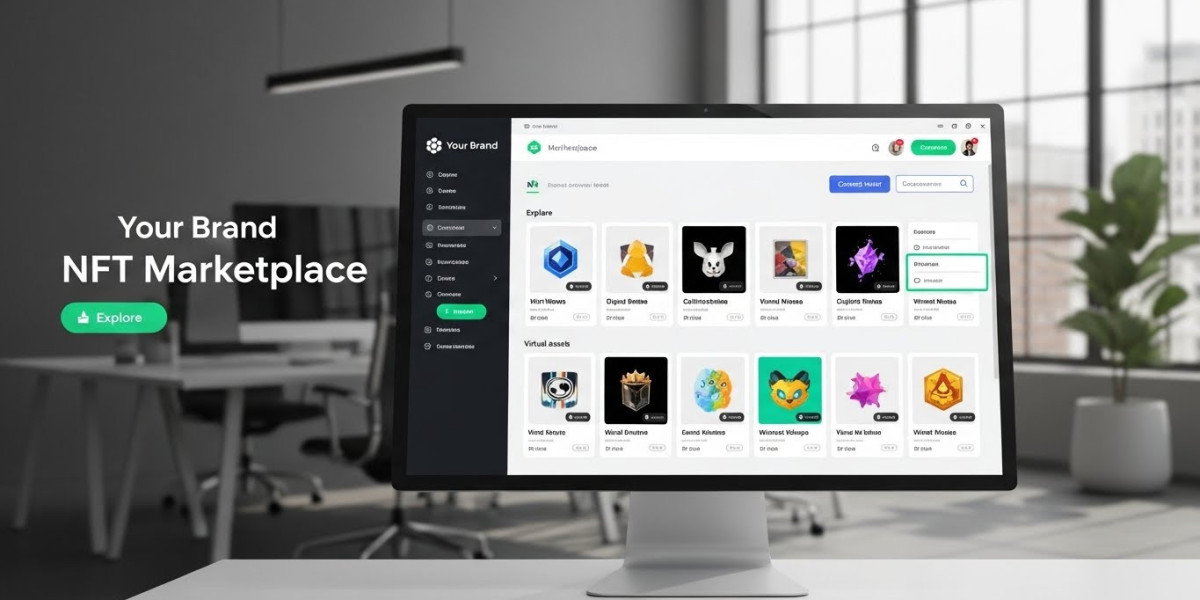

The rise of digital assets has transformed how businesses and creators interact with technology and commerce. Non-fungible tokens (NFTs) have unlocked new opportunities for ownership, authenticity, and monetization across industries. Building a scalable white label NFT marketplace allows businesses to tap into this ecosystem without the complexities of creating a platform from scratch. A white label solution ensures flexibility, customization, and rapid deployment while maintaining security, performance, and user experience at the forefront. Understanding the technical blueprint behind these platforms is essential for entrepreneurs, developers, and investors looking to succeed in the NFT space.
Platform Architecture and Scalability
A strong and well-thought-out platform architecture is the backbone of any successful white label NFT marketplace. Scalability ensures that the platform can handle high traffic, large transaction volumes, and complex NFT operations without compromising performance. A robust architecture not only improves reliability but also allows for easier feature expansion and future growth. By adopting a modular design and leveraging modern deployment strategies, businesses can build a flexible and resilient marketplace capable of supporting evolving user demands and complex NFT ecosystems.
Modular Architecture:
A modular design allows each component of the marketplace—such as user management, NFT minting, and transaction processing—to function independently. This approach simplifies updates and integration of new features without disrupting the platform’s core functionality.Microservices Approach:
Leveraging microservices enables the platform to scale horizontally. Services like payment processing, bidding, and metadata management can operate independently, reducing the risk of bottlenecks during peak activity.Load Balancing and Caching:
Implementing load balancing distributes incoming traffic efficiently across servers, while caching frequently accessed data minimizes latency. These strategies ensure smooth performance even under high transaction volumes.Cloud-Native Deployment:
Deploying the marketplace on cloud infrastructure provides elasticity and automatic resource allocation. Cloud solutions support growth and allow businesses to scale their white label NFT marketplace without significant upfront investment in physical servers.
Blockchain Integration and Smart Contract Development
The heart of a white label NFT marketplace lies in blockchain technology and smart contracts. These components provide transparency, automation, and security for digital asset transactions. Choosing the right blockchain and implementing well-audited smart contracts ensures smooth operations, reduces transaction risks, and guarantees compatibility with different networks. By focusing on interoperability, token standards, and smart contract security, businesses can create a robust and future-proof NFT marketplace that meets the expectations of creators, collectors, and investors while maintaining the integrity of digital assets across multiple platforms.
Blockchain Selection:
Selecting a blockchain involves balancing factors like transaction speed, gas fees, and security. Ethereum, Binance Smart Chain, and Polygon are popular choices, each offering unique advantages for NFT operations.Smart Contract Security:
Smart contracts must be meticulously tested and audited to prevent vulnerabilities. Security ensures safe transactions, protects digital assets, and builds trust among users.Interoperability:
Ensuring compatibility with multiple blockchains allows users to trade assets across different networks. Interoperable smart contracts increase liquidity and expand marketplace reach.Token Standards:
Implementing widely accepted token standards like ERC-721 or ERC-1155 guarantees seamless interaction with wallets, marketplaces, and other NFT platforms. Proper adherence reduces development overhead and improves user experience.
User Experience and Front-End Design
A seamless and intuitive user experience is a critical factor in the success of any white label NFT marketplace. Users expect an interface that is easy to navigate, visually appealing, and responsive across devices. Front-end design plays a significant role in retaining users and driving transactions by enhancing engagement and accessibility. By integrating features like wallet support, advanced search, and interactive dashboards, businesses can ensure that users feel confident in trading, minting, and managing NFTs, ultimately boosting participation and marketplace growth.
Responsive Design:
A responsive platform ensures a consistent experience across devices, from desktops to smartphones. Optimized layouts improve accessibility and user satisfaction.Seamless Wallet Integration:
Integrating popular cryptocurrency wallets allows users to connect their accounts effortlessly. This convenience increases trust and reduces friction during NFT purchases or sales.Advanced Search and Filters:
Implementing efficient search algorithms and filters improves discoverability of NFTs. Users can find relevant assets quickly, enhancing engagement and driving transactions.Interactive Dashboards:
Dashboards displaying user activity, portfolio stats, and transaction history provide transparency and real-time insights. Visual analytics help users manage assets effectively.
Security Protocols and Risk Management
Security is paramount for a white label NFT marketplace, as it protects digital assets, user data, and transactions from cyber threats. Establishing comprehensive security protocols reduces vulnerabilities, builds user trust, and ensures platform reliability. Risk management strategies, including continuous monitoring and regular audits, help identify and address potential threats before they escalate. A strong security foundation not only safeguards users but also strengthens the marketplace’s credibility and long-term success, creating a safe and trustworthy environment for trading NFTs.
Data Encryption:
Sensitive information must be encrypted both in transit and at rest. Strong encryption safeguards user data and transaction integrity.Multi-Factor Authentication (MFA):
Adding MFA strengthens account security, preventing unauthorized access and maintaining platform trustworthiness.Threat Detection Systems:
Continuous monitoring with automated alerts helps detect suspicious activity or vulnerabilities, enabling quick mitigation.Regular Audits:
Periodic security and smart contract audits identify weaknesses and reinforce the platform’s defense mechanisms.
Compliance and Legal Considerations
A white label NFT marketplace must comply with relevant regulations to operate smoothly and legally. Compliance ensures protection for both the platform and its users while establishing credibility within the NFT ecosystem. Legal frameworks around KYC, AML, copyright, and data privacy vary by region, requiring careful attention during platform development. By embedding compliance mechanisms into the marketplace infrastructure, businesses can reduce risks, avoid potential penalties, and foster trust among creators, collectors, and investors.
KYC and AML Processes:
Implementing robust Know Your Customer (KYC) and Anti-Money Laundering (AML) protocols ensures compliance with financial regulations.Regional Regulations:
Different regions have unique NFT and cryptocurrency rules. Adapting the platform accordingly protects businesses from legal challenges.Copyright and IP Management:
Proper mechanisms for verifying and managing intellectual property prevent disputes over NFT ownership.Data Privacy Laws:
Complying with data protection laws like GDPR safeguards user information and enhances credibility.
Payment Gateway Integration
Smooth and reliable payment processing is crucial for any white label NFT marketplace to function efficiently. Multiple payment options, automated settlements, and secure transaction handling enhance user experience and build confidence. Integrating payment gateways that support both cryptocurrencies and fiat currencies ensures flexibility and accessibility. Additionally, features like escrow and analytics help maintain transparency and track transaction trends, allowing marketplaces to optimize operations, manage royalties, and encourage wider participation in NFT trading.
Multi-Currency Support:
Supporting both cryptocurrencies and fiat options allows users to transact seamlessly.Automated Royalties:
Smart contracts can automate royalty payments to creators, ensuring fair compensation.Escrow Mechanisms:
Escrow systems protect buyers and sellers by holding funds until transaction conditions are met.Analytics for Transactions:
Tracking transaction trends helps optimize fees, promotions, and platform growth strategies.
Marketplace Features and Customization
A white label NFT marketplace becomes more appealing when it offers flexible features and customization options. Providing diverse minting, auction, and community features allows the platform to cater to varied user needs. Customization empowers businesses to differentiate their marketplace, align it with branding, and enhance engagement. Admin dashboards further enable platform operators to manage listings, users, and analytics efficiently. These capabilities collectively create a dynamic and user-friendly environment for NFT creators, collectors, and traders.
NFT Minting Options:
Allowing users to mint NFTs with flexible metadata and attributes enhances creativity.Auction and Sale Types:
Multiple sale formats like fixed price, timed auctions, or reserve auctions increase marketplace versatility.Social and Community Features:
Features such as profiles, follow options, and activity feeds enhance user interaction and retention.Admin Dashboard Controls:
Admin tools for managing listings, users, and analytics streamline platform operations.
Analytics and Growth Strategies
Data-driven insights are essential for optimizing and scaling a white label NFT marketplace. Understanding user behavior, NFT performance, and transaction trends provides actionable intelligence for decision-making. Analytics help identify areas for improvement, guide marketing strategies, and ensure that resources are allocated efficiently. Implementing these strategies allows marketplaces to increase engagement, enhance user satisfaction, and plan for scalable growth, creating a sustainable and profitable platform for both creators and investors.
User Behavior Analytics:
Monitoring how users interact with the platform reveals trends and opportunities for improvement.NFT Performance Tracking:
Analyzing NFT sales and popularity helps creators and admins make strategic decisions.Marketing and Retention Tools:
Integrating email campaigns, notifications, and promotions drives user engagement and loyalty.Scalability Planning:
Predicting growth patterns ensures infrastructure is ready for increased traffic and transactions.
Conclusion
Building a scalable white label NFT marketplace requires a thoughtful combination of technical expertise, security, regulatory compliance, and user-centric design. By addressing platform architecture, blockchain integration, security, payment systems, and data-driven growth strategies, businesses can deliver a high-performance platform that meets user expectations while supporting sustainable expansion. A well-structured white label NFT marketplace empowers creators, entrepreneurs, and investors to participate confidently in the digital asset economy.